In the 2002 film, Kailangan Kita, directed by Rory B. Quintos, a young Claudine Barretto plays Lena, a simple but feisty young lady who treats the kitchen as her domain. She embraces this space of the domestic. The film, set in Albay, predictably opens with a grand yet quiet view of Mayon, before taking the viewers through cliffside roads, a dam, and the Legazpi City Cathedral, before finally settling on a large bahay-na-bato where most of the film takes place. Place is early established as having agency in the story, perhaps even shaping how it unfolds alongside the development of the film’s characters.
In the opening scene, Lena prepares a feast, all of the ingredients piled high in baskets on the kitchen tables. Everyone is busy. Coconuts are delivered in bundles to the kitchen, steam rises from a wok, an open flame burns on the old stove, and Lena hurriedly chops onions. Sweat ripples through her skin as moisture gathers on the side of the kitchen pots. In this house, dehusked corn and garlands of garlic hang from the ceiling while a cornucopia of produce is gloriously displayed on the counters. There are onions, garlic, tomatoes, coconuts, all sorts of greens, and the staple sili, glistening and almost jewel-like, featured prominently throughout the film.
Moments later, we are greeted with the dishes laid gloriously on the family dinner table: pinangat, kinunot, kinilaw, hipon sa gata, laing, and alamang. The film notably engages in a cinematic view of Albayano cuisine. It is filmic, but grounded–at some points even showing Lena operating an old-fashioned stone grinder used to milk gata, as well as a kudkuran where she grates coconuts on the blade attached to the tip of a low wooden seat. In all this, Lena’s traditional Albayano cuisine–messy and bathed in oils–and her technique–instinctive and learned by doing, acts as a foil against the sophisticated palate and practice of Aga Muhlach’s character, celebrity chef Carl.
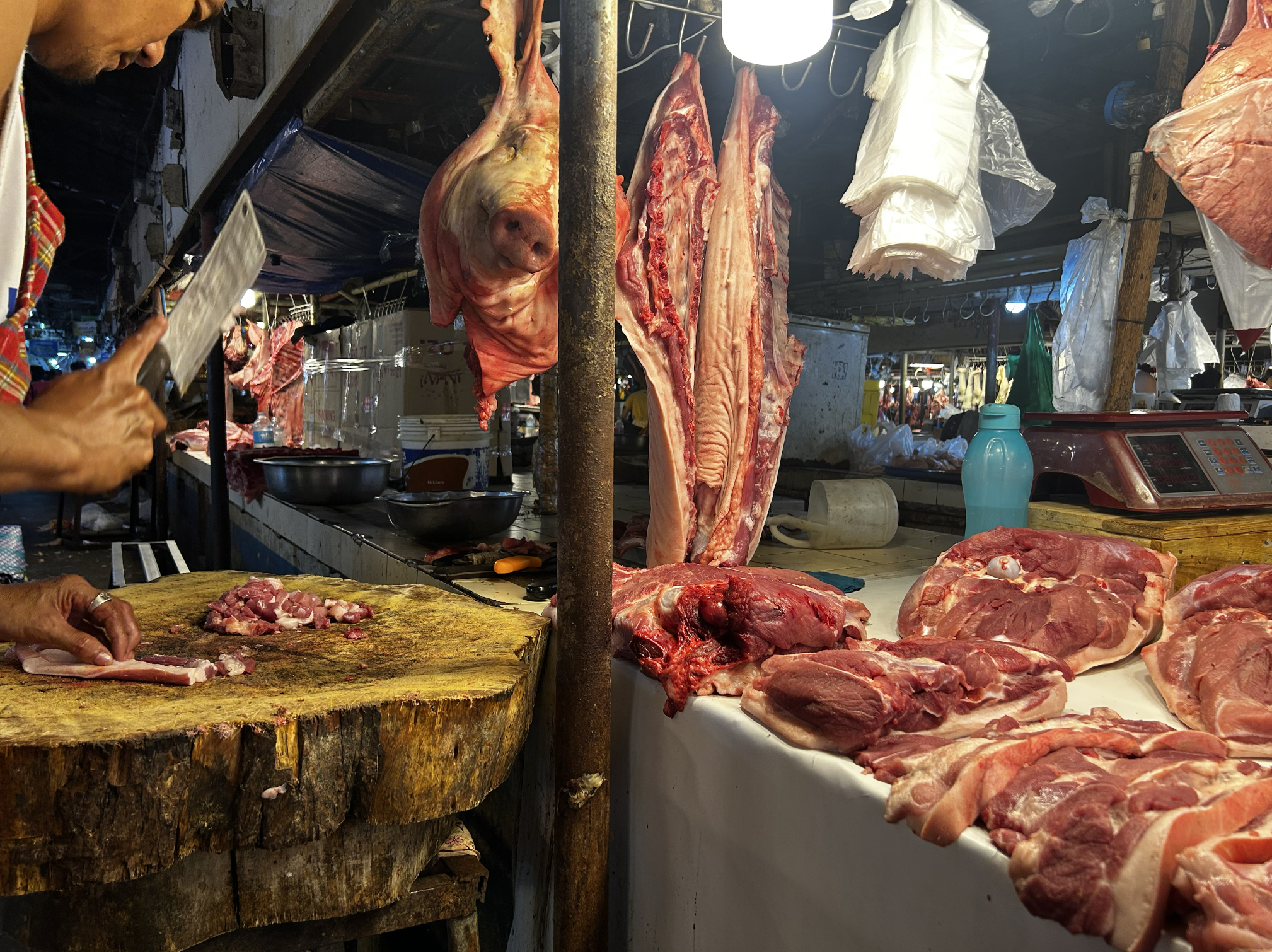
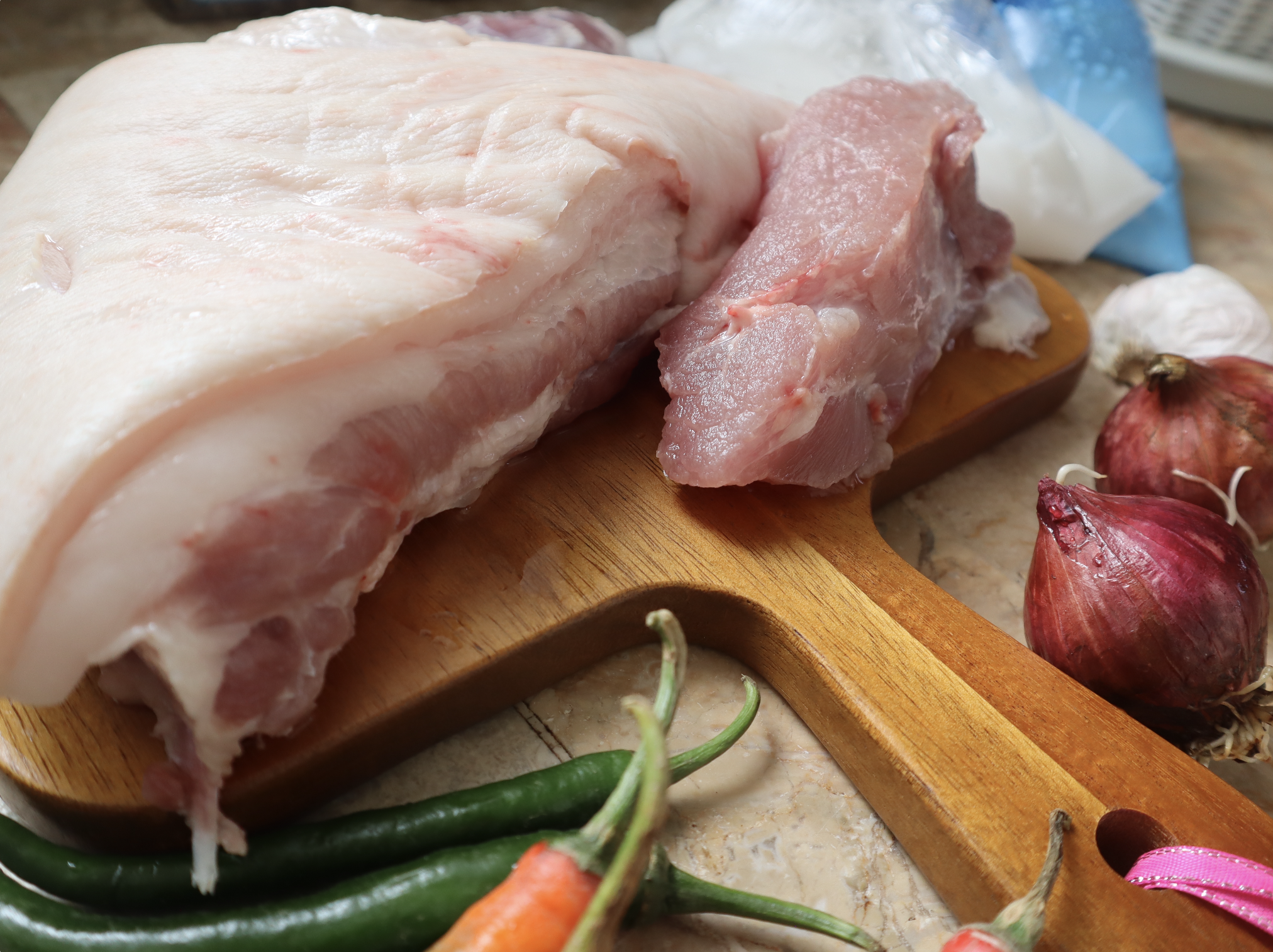
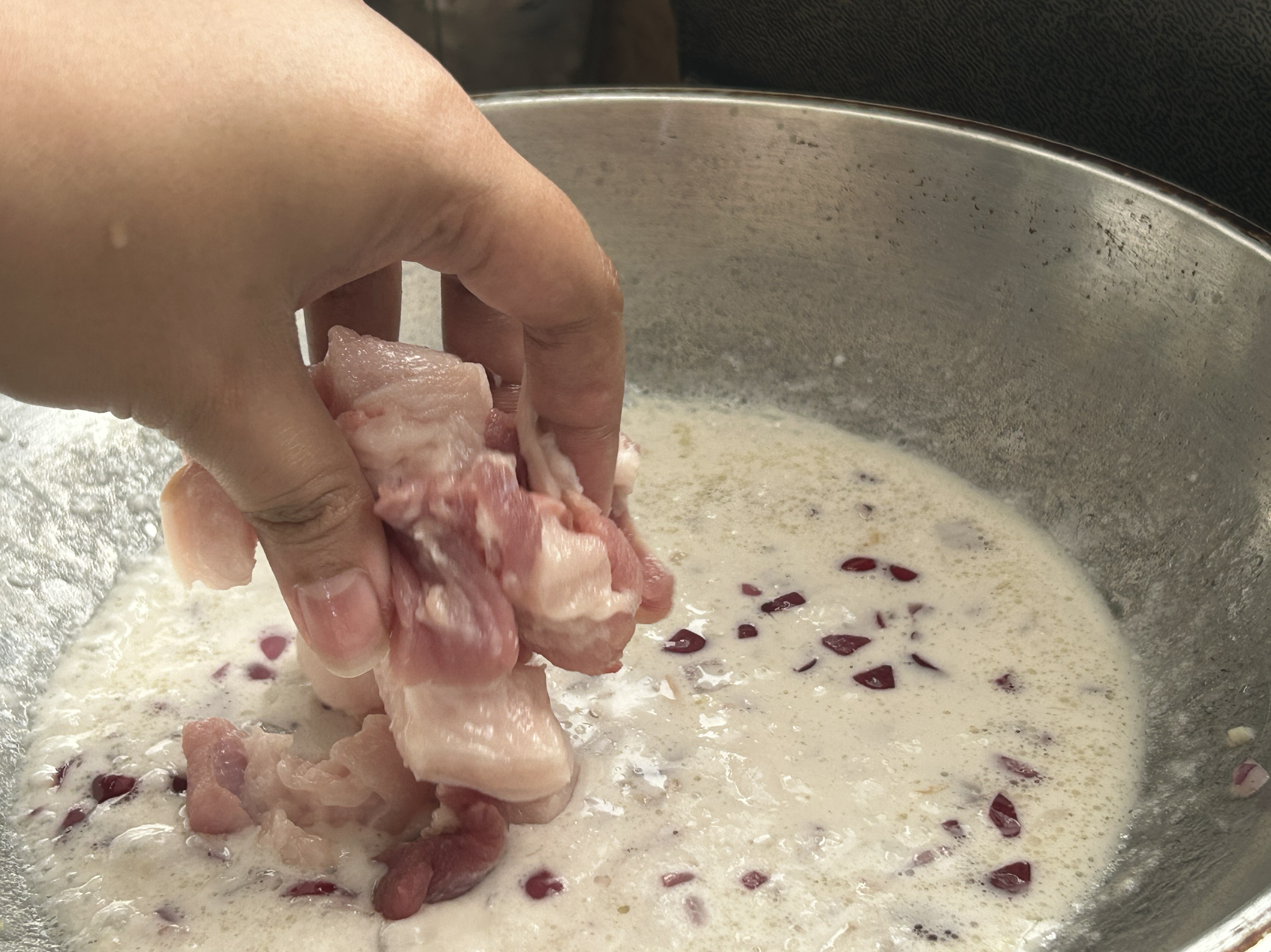 Food in Kailangan Kita is transformed into language. Lena cooks with joy, in anger, and for love. It becomes a nexus for the family and, by extension, the community. The film takes us through the palengke, where the butcher supplies the pork used in Lena’s Bicol Express. We are given a glimpse of the seashore, where a fisherman vends his catch of a ray and a handful of fish. And while food acts as language, heat acts as a motif. It exists in the blaze with which the main characters cook, but it also lingers in the palate, after one has savored the spice of the labuyo in the gata.
We often see Lena sweating profusely in the kitchen, but we also recognize heat in her budding romance with Carl. There is heat in the explosive anger of the family patriarch and in the quiet resentment that Lena carries toward her family. Heat also exists dangerously–in the resistance and in the bullets that riddle Lena’s former lover, played by Jericho Rosales. Across these spaces, the film constructs an image of a land that stands in close relation to fire.
Albay is presented in the film as a land where foodways emerge as part of a larger ecosystem. It embraces climate, cuisine, culture, and its people. It is rooted in a history shaped by economic practices and political tensions. Lena’s kitchen witnesses her story and the history of her community. It echoes ideas in Sarap by Doreen Fernandez, where she explores the Filipino identity in food histories.
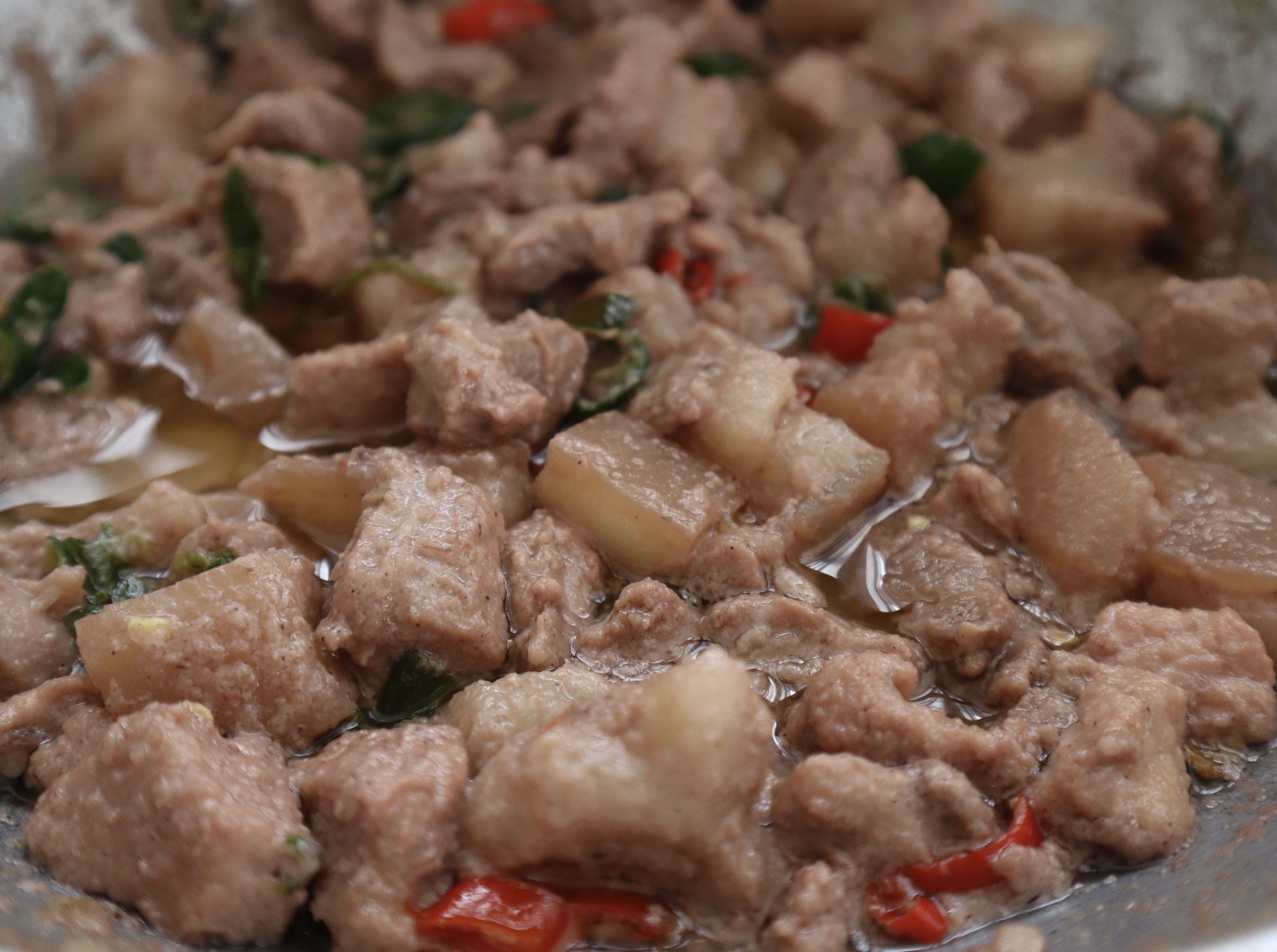 We locate these tensions between tradition and modernity as well as the personal and the communal in the history of Bicol Express. While it is bathed in the romantic lighting of the film, its history poses a vital question on identity. It is a dish that holds a contentious history. People often tend to quickly relay how the dish originated in Metro Manila, and not, as the name implies, in Bicol. It was simply named after the train that used to run from Manila to Legazpi City, Albay. In Linamnam, Claude Tayag and Mary Ann Quioc expound on this history. They write about regional dishes and food histories all over the Philippines, and on Bicol Express, they relay how the dish might have originated from Tita Cely Kalaw, hailed restaurateur, at her small karinderya in Malate.
However, they also note that Tita Cely, who hails from Lipa City, Batangas, “grew up in Naga City, where she developed her Bicolano taste buds.” Food identity thus becomes fluid, and questions of origin might not always precede practice. Matters of “authenticity” typically arise in these conversations of culture, but food especially is not owned in the same way as objects usually are “owned”-that is, solely possessed. Authenticity thus emerges more as a question, or a constellation, rather than as a certainty. (Though one might even say the temperament of the Bicolano suits the heat of the dish.)
In the milieu of Albay, it is heat that sustains our foodways. Heat reflects the fieriness of the people, but many have also spoken about how the rich pyroclastic soil from Mayon actually keeps the soil healthy and the produce rich. Heat makes the chili peppers grow abundantly, it dries out the leaves used in pinagat and laing, and it allows farmers to maintain the harvest cycles of the land. But in the typhoon-prone Albay, these foodways are also consistently challenged, especially as heat gives way to the rains. The climate crisis has only worsened this volatility.
Once more, in January 2026, the prices of siling labuyo had swayed. In 2018, prices of siling labuyo in Metro Manila palengke reached up to Php 1,000 per kilo, a mere three weeks since the prices first spiked to Php 400 per kilo. In 2024 too, siling labuyo sold for up to Php 600 per kilo as opposed to the usual Php 120-140 per kilo. Once more in 2025, prices soared to Php 800 per kilo. Rains and floods have once more created a supply gap, leading to the pricing surge. In an attempt to stabilize the prices for chili peppers, Agriculture Secretary Francisco Tiu Laurel Jr. is looking into typhoon-resistant farm infrastructure. This involved building greenhouses that can withstand storms, prolonged rainfall, and floods.
 To watch the film is to understand the tensions that exist in place. It reveals to us how food exists in the material realm, pointing to realities that construct the broader ecologies in which we are situated. For Lena and Albayanos, heat and fire sustain, but they can also displace. Rains can cleanse, but they can also stagnate. The soil can choke, the winds can break. These ecological tensions confront us now, circumscribing a region where both exist in abundance.
Works Cited:
Boton, Christine. “DA to Include Typhoon-Resistant Infrastructure to Reduce Prices.” The Philippine Star, January 5, 2026.
Fernandez, Doreen. Sarap: Essays on Philippine Food. Manila: Bookmark, 1994.
Manahan, Jervis. “Price of Chili Up Due to Storms.” ABS-CBN News, November 14, 2024.
Quintos, Patrick. “Siling Labuyo Burns Wallets as Monsoon Stokes Inflation.” ABS-CBN News, September 10, 2018.
Quintos, Rory, dir. Kailangan Kita. Philippines, 2002.
Sevillano, Stephanie. “DA Explores Supply Options as Chili Prices Soar to P800/kg.” Philippine News Agency, 2025.
Tayag, Claude, and Mary Ann Quioc. Linamnam: Eating One’s Way around the Philippines. Manila: Anvil Publishing, 2006.